one of the world’s enduring kingdoms, with more than twelve centuries of recorded state continuity and layers of civilization reaching far deeper into prehistory. A land where the Atlas Mountains rise above deserts, where the Sahara Desert touches the Atlantic, and where the Mediterranean Sea meets the Atlantic Ocean at the edge of Africa.
Near Jebel Irhoud, some of the oldest known early Homo sapiens fossils were discovered, dating back roughly 300,000 years — placing Morocco among the most important cradles of human history.
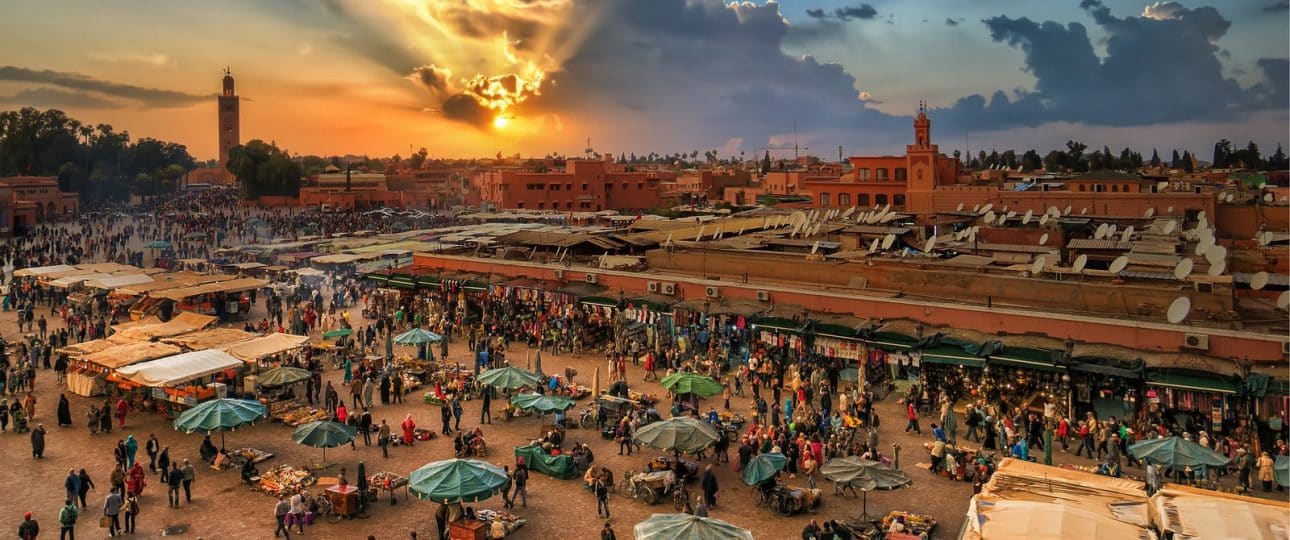
It is a country of imperial cities like Marrakech, Fez, Meknes, and Rabat — places where dynasties, scholars, traders, poets, and travelers shaped centuries of culture.
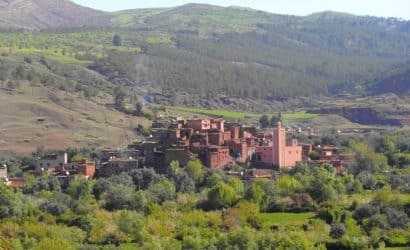
The homeland of the Amazigh people — often called Berbers — whose language, identity, music, architecture, and traditions still echo through the mountains, valleys, and kasbahs of the kingdom.
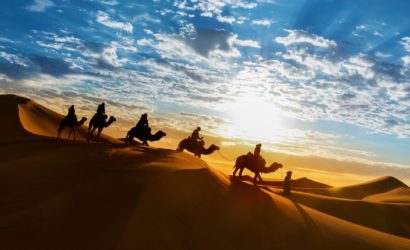
Morocco carries the scent of spice markets, cedar wood, mint tea, sea salt, and desert wind. Europe lies just beyond the Strait of Gibraltar, close enough that on clear days the mountains of Spain seem within reach, while the spirit of Africa beats deeply through every medina, caravan route, drum rhythm, and sunset over the dunes.
Legends also linger here — stories of the lost Atlantis, ancient sailors, and civilizations swallowed by time — adding mystery to a land already rich with memory.
Morocco is not only a country.
It feels like a meeting point of worlds: Africa and Europe, ocean and desert, ancient and modern, myth and history.